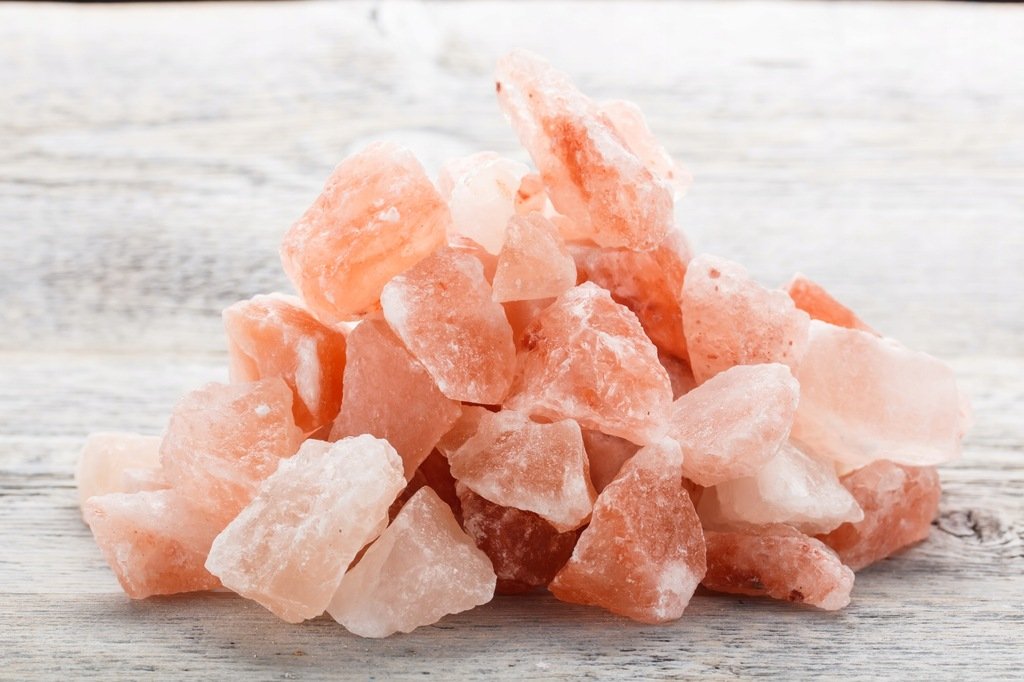
Himalayan Pink Salt, often referred to as the “King of Salts,” is a natural marvel formed over 250 million years ago in the ancient sea beds of the Himalayan Mountains. Renowned for its distinctive pink hue, mineral richness, and holistic health benefits, this salt has captured global attention—not only for culinary use but also for its wellness and therapeutic properties.
Unlike refined table salt, Himalayan Pink Salt is hand-mined and minimally processed, preserving its natural purity. But there’s more to it than just the pink crystals—this salt comes in various grades, colors, and applications. In this comprehensive guide, we explore the origins, benefits, uses, and diverse variants of Himalayan Pink Salt, making a strong case for why it deserves a place in your kitchen and lifestyle.
Origin and History
Himalayan Pink Salt is harvested from the Khewra Salt Mine in Pakistan’s Punjab region, located at the foothills of the Himalayas. The mine is one of the oldest and largest salt mines in the world, and the salt extracted here is believed to be the purest form of salt available on Earth.
This salt is a remnant of the ancient Primal Sea, crystallized over millions of years due to tectonic pressure and preserved under lava, ice, and snow, which protected it from environmental pollutants.
Historically, it was used by Ayurvedic healers, traditional medicine practitioners, and even royalty. Its vibrant pink color and mineral profile made it a valuable commodity, often traded and prized like gold.
Origin and History
Himalayan Pink Salt contains up to 84 trace minerals and elements, including:
- Sodium chloride (main component, ~95-98%)
- Calcium
- Potassium
- Magnesium
- Iron oxide (responsible for the pink coloration)
- Zinc, Selenium, Iodine, and more
These minerals are naturally occurring in minute quantities and give the salt its unique flavor, color, and health-promoting properties.
Health Benefits of Himalayan Pink Salt
Supports Electrolyte Balance
The blend of sodium and trace minerals in Himalayan salt helps regulate fluid balance and nerve function, making it an ideal natural electrolyte.
Promotes Respiratory Health
Salt therapy, also known as halotherapy, uses Himalayan salt inhalation to clear mucus, reduce inflammation, and improve respiratory conditions such as asthma, bronchitis, and allergies.
Aids in Digestion
Himalayan salt stimulates hydrochloric acid in the stomach, aiding digestion, nutrient absorption, and preventing issues like bloating and indigestion.
Balances pH Levels
Due to its mineral content, it may help balance the body’s pH levels, leading to improved energy and reduced risk of inflammation-related diseases.
Enhances Sleep Quality
A small amount of Himalayan salt before bed, especially when combined with raw honey, may regulate cortisol levels and support melatonin production, improving sleep.
Detoxification
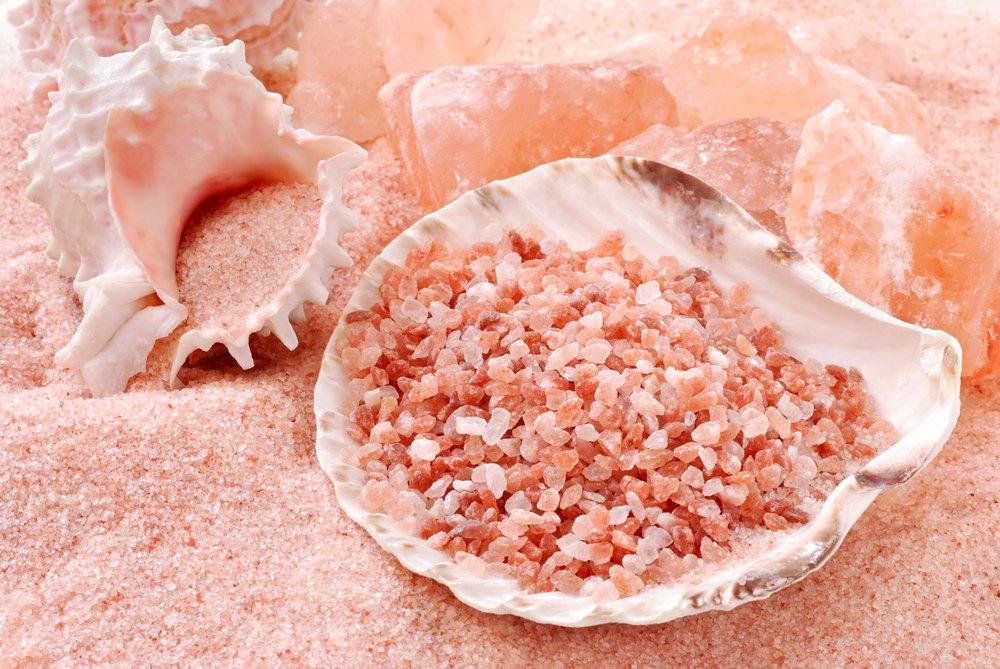
Used in salt baths, Himalayan salt draws out toxins from the skin and tissues, supports circulation, and soothes sore muscles.
Culinary Uses
Himalayan Pink Salt is prized for its flavor and versatility in cooking. Its subtle mineral taste enhances both savory and sweet dishes. It is used in:
- Cooking and seasoning (just like regular salt)
- Salt blocks for grilling, searing, or serving cold dishes
- Salt grinders for fresh-ground table seasoning
- Brining meats or vegetables
- Finishing salt to enhance presentation and flavor
Unlike table salt, Himalayan salt does not contain additives like anti-caking agents or iodine unless added purposefully.
Non-Culinary Uses
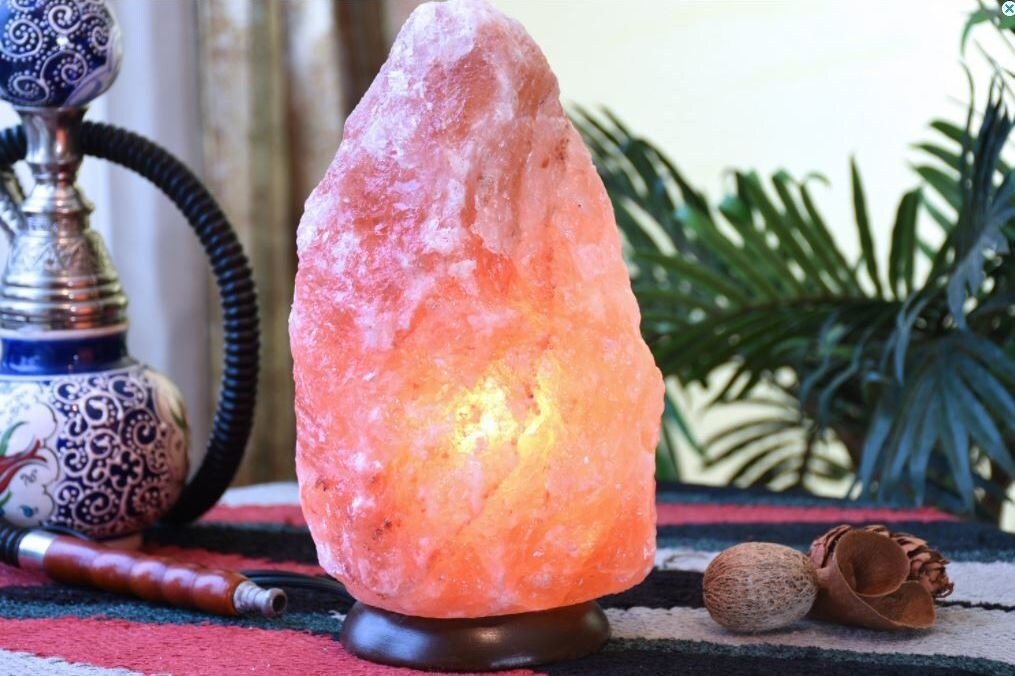
Salt Lamps
Himalayan salt lamps are carved from large crystals and fitted with bulbs inside. They’re believed to:
- Purify air by emitting negative ions
- Improve mood and concentration
- Reduce allergens and pollutants
- Promote better sleep
While scientific evidence is limited, many people swear by their calming and detoxifying effects.
Bath Soaks
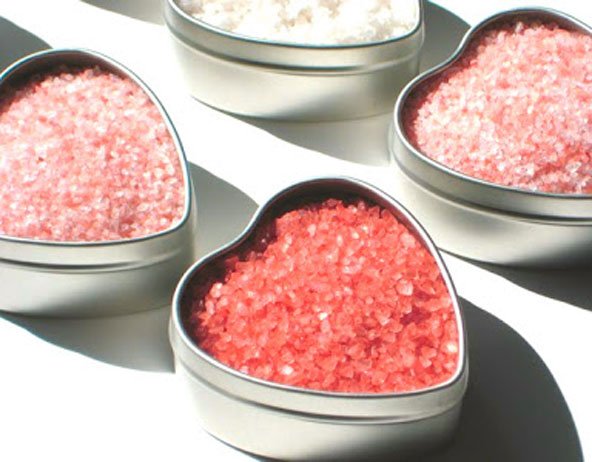
Himalayan salt baths are relaxing and therapeutic. When dissolved in warm water, the minerals are absorbed through the skin, helping with:
- Muscle cramps
- Joint pain
- Skin irritation
- Stress relief
Salt Inhalers
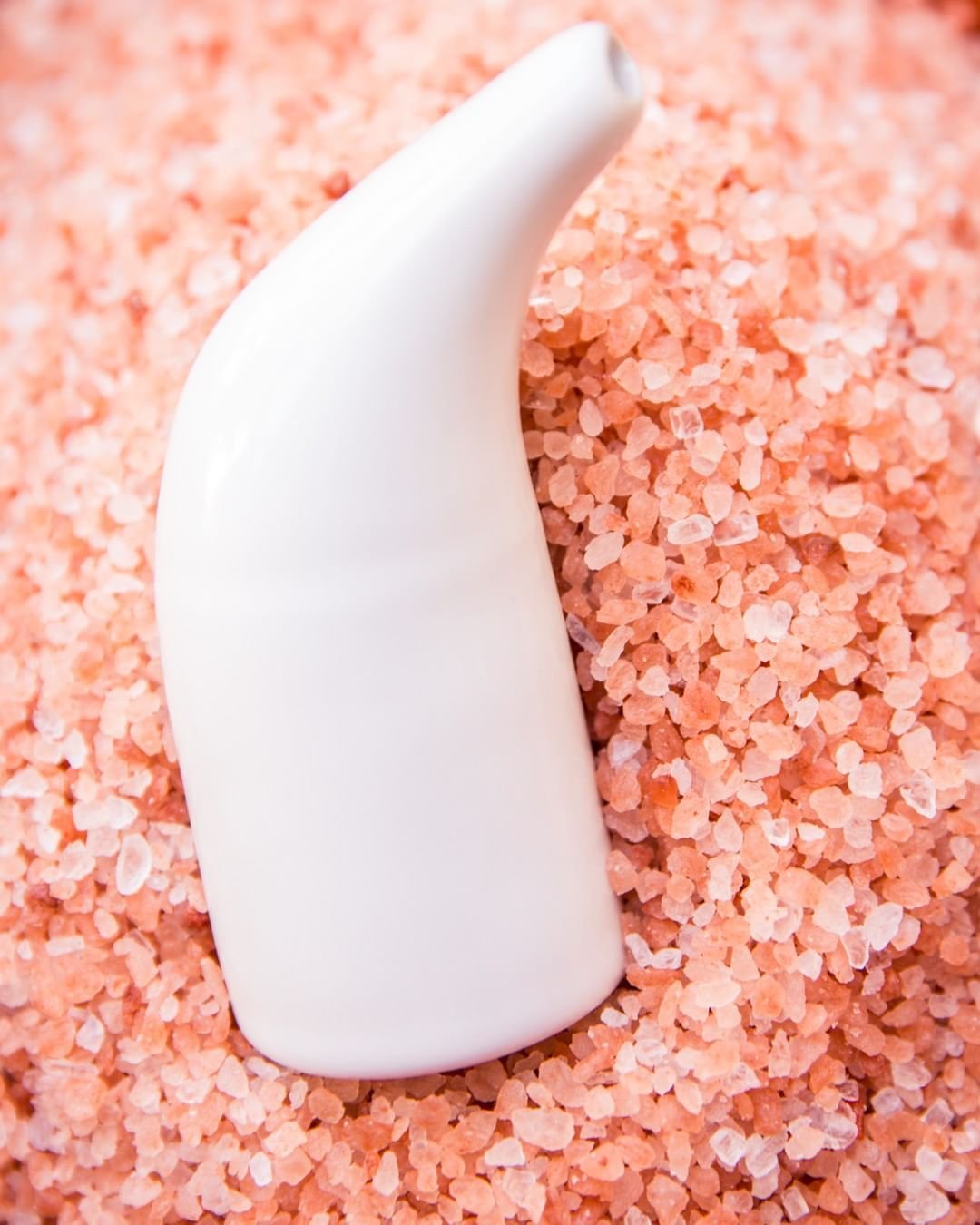
These are handheld devices containing salt crystals. Breathing through them is believed to help with lung function, allergies, and sinus conditions.
Scrubs and Skincare
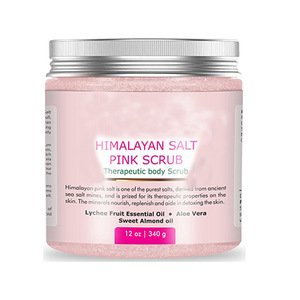
Mixed with oils or essential oils, ground Himalayan salt makes an excellent exfoliator for removing dead skin and promoting circulation.
Variants of Himalayan Salt
Himalayan salt is not a one-size-fits-all product. It is available in several forms and colors, each with specific uses and characteristics.
Salt Inhalers
- Use: Table seasoning, baking, and general cooking.
- Texture: Soft, powder-like consistency.
- Benefit: Easy to blend into recipes without altering texture.
Coarse Pink Salt
- Use: Grinder refills, meat rubs, and fermentation.
- Texture: Larger crystals; crunchier.
- Benefit: Longer shelf life and stronger mineral flavor.
Salt Blocks and Slabs
- Use: Cooking, serving, or curing foods.
- Texture: Solid blocks available in various sizes.
- Benefit: Imparts a mild, balanced saltiness to food; also a unique presentation style.
Black Himalayan Salt (Kala Namak)
- Color: Dark reddish-black due to sulfur compounds.
- Use: Indian cuisine, vegan dishes (e.g., tofu scramble), chaat, pickles.
- Taste: Sulfurous, egg-like flavor.
- Benefit: Aids digestion, commonly used in Ayurvedic medicine.
White Himalayan Salt
- Color: Pale to translucent white.
- Use: Similar to pink salt; prized for aesthetics.
- Benefit: Rare and often more expensive due to purity and limited availability.
Himalayan Salt with Herbs or Flavors
- Infused variants: Garlic, rosemary, chili, smoked salt, etc.
- Use: Gourmet cooking, specialty foods.
- Benefit: Adds flavor complexity and visual appeal.
Himalayan Salt vs. Table Salt
Feature
Processing
Additives
Minerals
Taste
Color
Health benefits
Himalayan Pink Salt
Minimally processed
None (natural state)
Contains up to 84 trace minerals
Rich, earthy, complex
Pink, white, or red hues
Broad, due to mineral diversity
Table Salt
Heavily refined
May contain anti-caking agents, iodine
Mostly sodium chloride
Sharp and salty
White
Limited to iodine fortification
Buying Tips and Authenticity
Due to its popularity, counterfeit or low-grade Himalayan salt is common. Ensure authenticity by:
- Buying from reputable suppliers
- Looking for origin confirmation (Khewra region of Pakistan)
- Checking for purity (should be free from additives or dyes)
- Looking for coarse crystals if buying in raw form
Tip: Real Himalayan salt will not dissolve instantly in water and will leave behind mineral residue.
Environmental and Ethical Considerations
Himalayan salt mining in Pakistan provides employment to thousands of workers, especially in rural regions. Ethical companies ensure:
- Fair wages
- Sustainable mining practices
- Community support and development
Consumers should choose brands committed to transparency and ethical sourcing.
Contact Us
You can send message to our WhatsApp directly or connect via email by filling this form.