Introduction
Among the many natural wonders found in the lap of the Himalayas, one stands out for its rarity, flavor, and immense nutritional value: the Morel Mushroom, locally known as Gucchi in India. Revered as one of the most expensive wild mushrooms in the world, Gucchi is not just a culinary delicacy but also a symbol of nature’s bounty that has sustained communities for centuries.
With their unique honeycomb-like appearance and earthy aroma, these mushrooms are hand-harvested in high-altitude Himalayan forests and remain out of reach for commercial cultivation. As the world turns toward organic, wild-harvested superfoods, Gucchi mushrooms are increasingly gaining attention from chefs, health enthusiasts, and entrepreneurs alike.
Botanical Profile
- Scientific Name: Morchella esculenta
- Common Names: Morel mushrooms, Gucchi, Sponge mushroom, Himalayan morels
- Family: Morchellaceae
- Habitat: Forest floors, decaying wood, and leaf litter in high-altitude regions (1500–3000 meters)
Morels are a type of wild edible fungus known for their sponge-like cap and hollow body. Unlike farmed mushrooms, morels are mycorrhizal, meaning they grow symbiotically with tree roots and cannot be cultivated commercially in a reliable way.
Geographical Origin and Harvesting
The best-quality morels come from the Himalayan belt, especially:
- Kashmir Valley
- Himachal Pradesh
- Uttarakhand
- Parts of Nepal and Bhutan
Harvesting takes place during the spring and early summer (March to May) after the snow melts and moisture levels in the soil are optimal. Local villagers venture deep into forests, often trekking for hours, to collect these mushrooms by hand.
Each mushroom is meticulously picked, cleaned, and sun-dried—a labor-intensive process that contributes to their high price. It is estimated that only 500 to 2,000 kilograms are harvested each year from India.
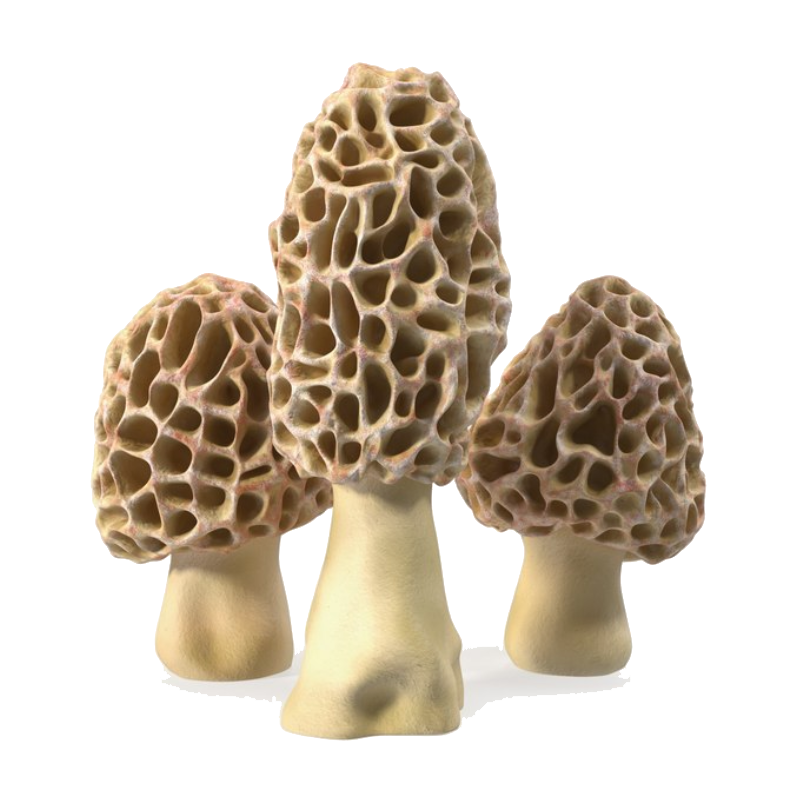
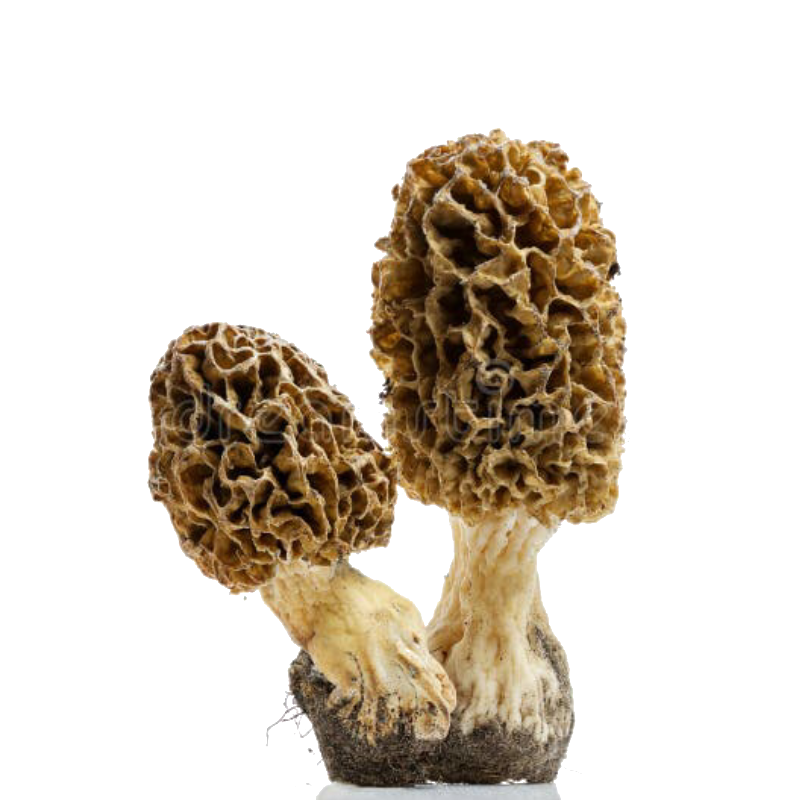
Physical Appearance
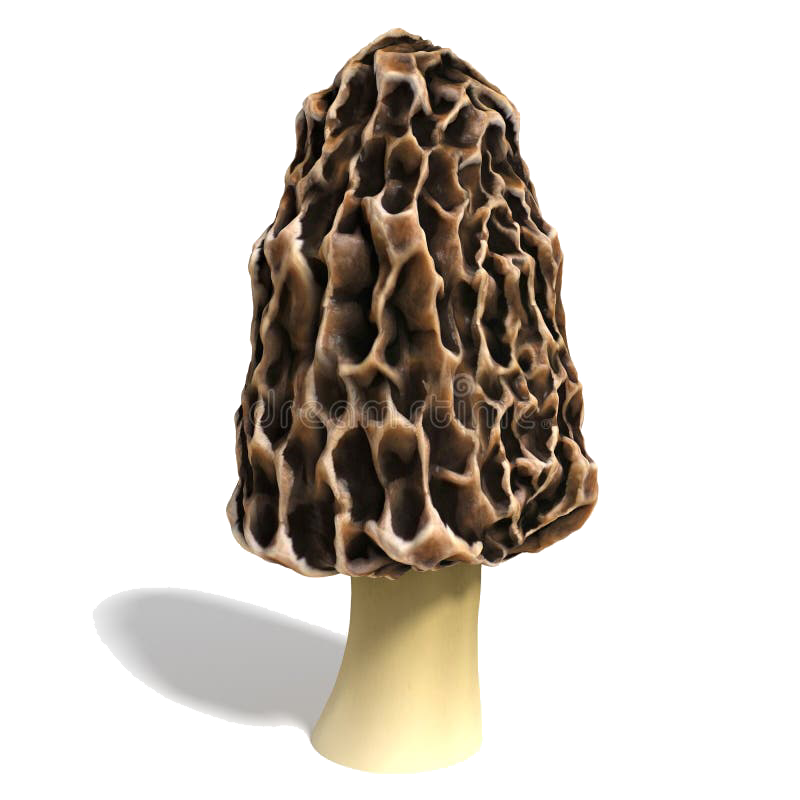
Cap
Honeycomb or netted pattern, brownish-gray to dark brown
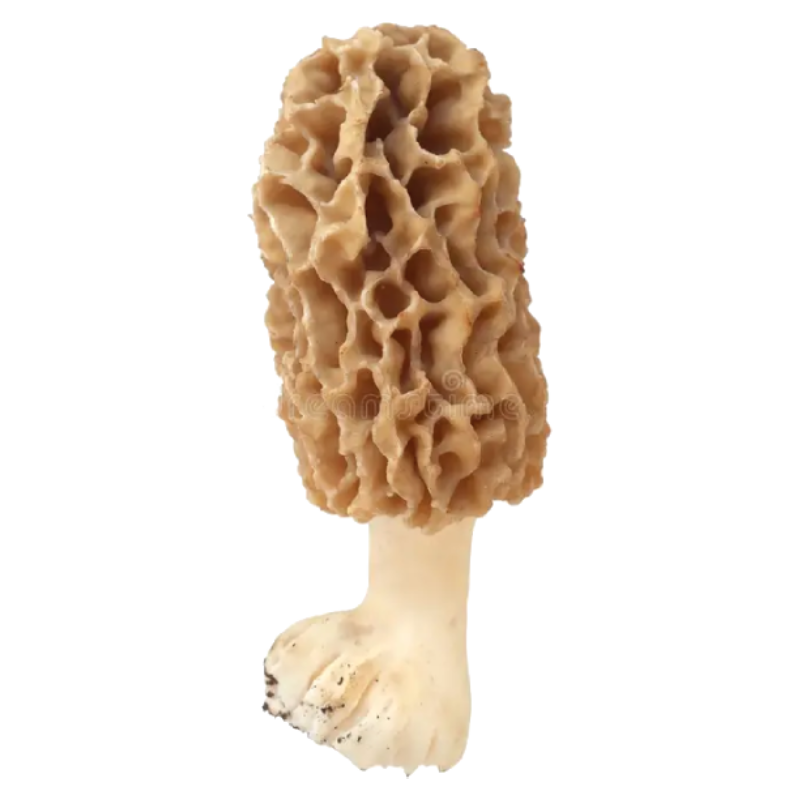
Stem
Creamy white or tan, hollow
Size
Varies from 3 to 10 cm
Texture
Brittle and spongy when dried, soft and chewy when rehydrated
Nutritional Value
Morel mushrooms are rich in essential nutrients and low in calories, making them a valuable superfood. Here is a breakdown of their nutritional content per 100g (dried):
Nutrient
Calories
Protein
Fiber
Iron
Potassium
Vitamin D
Antioxidants
Amount
~250 kcal
~30g
~10g
~12 mg
~1600 mg
Present
High
Morels are an excellent source of protein for vegetarians and vegans and provide a significant amount of iron, vitamin D, and antioxidants that boost immunity and metabolism.
Health Benefits of Gucchi Mushrooms
Rich in Antioxidants
Morels contain phenols, flavonoids, and other antioxidant compounds that help protect cells from oxidative damage, lowering the risk of chronic diseases.
Improves Immune Function
The polysaccharides and beta-glucans in morel mushrooms support immune function by activating macrophages and other defense cells.
Promotes Bone and Heart Health
The high potassium and iron content helps maintain electrolyte balance, improves blood circulation, and supports bone strength.
Supports Brain Function
Antioxidants and bioactive compounds in morels have neuroprotective properties that may help in preventing cognitive decline.
Supports Brain Function
Studies suggest that morels contain natural anti-inflammatory agents that may help in reducing inflammation-related issues like arthritis or muscle pain.
Culinary Uses
Gucchi mushrooms are revered in gourmet kitchens around the world for their intense umami flavor. They have a nutty, meaty, earthy taste that enhances a wide variety of dishes. Here are some common culinary uses:
Rehydrating
Dried morels must be soaked in warm water or milk for about 20–30 minutes before use. The soaking liquid is rich in flavor and often used in soups and sauces.
Cooking Methods
- Sautéed in butter with garlic and herbs
- Used in risottos, pasta, and creamy sauces
- Paired with meats, especially chicken or lamb
- Included in Indian dishes like Gucchi Pulao and Gucchi Masala
Pro tip: Cook them gently to preserve their flavor. Overcooking can destroy their texture and aroma.
Cultural and Economic Importance
In regions like Kashmir and Himachal Pradesh, Gucchi mushrooms are not just food—they are a seasonal livelihood. Families venture into forests for days to gather and sell them, often fetching prices between ₹20,000 to ₹30,000 per kilogram ($250–$400), depending on quality.
The export market for dried morels is growing, particularly in countries like:
- France
- Italy
- USA
- Germany
- Japan
They are prized by chefs in Michelin-starred restaurants for their unique taste and rarity.
Challenges in Harvesting and Supply
Despite the growing demand, the supply of Gucchi mushrooms remains limited due to several challenges:
Wild-only Growth
No successful commercial farming technique exists due to their complex relationship with forest ecosystems.
Climate Dependency
Morels need a specific combination of moisture, sunlight, and soil composition—making them highly dependent on weather patterns and vulnerable to climate change.
Overharvesting and Habitat Loss
Unregulated harvesting and deforestation threaten their natural habitat, putting pressure on long-term sustainability.
Supply Chain Issues
Due to their remote origin, transporting morels from high-altitude regions to urban markets requires a strong and often expensive logistical effort.
Buying and Storing Tips
How to Choose Quality Morels:
- Look for uniform honeycomb texture and light to dark brown color
- Avoid any that appear too brittle, moldy, or blackened
- Check for cleanliness; they should be free of grit and debris
Storage:
- Store in a cool, dry place in an airtight container
- Keep away from sunlight to preserve color and flavor
Shelf life: Up to 12 months if stored properly
How to Use Morels in Modern Products
Due to their value, Gucchi mushrooms are being incorporated into a range of modern, high-end offerings:
- Morel-infused oils
- Mushroom teas and tinctures
- Health supplements (capsules or powders)
- Luxury gourmet gift boxes
- Pre-mixed meal kits for biryanis or risottos
Sustainability and Future Outlook
There is a growing conversation around ethical foraging, sustainable harvesting, and the preservation of biodiversity in the Himalayas. NGOs and government bodies are beginning to promote:
- Training programs for safe harvesting
- Cooperative models for local sellers
- Certifications for organic wild foods
- Eco-tourism and “mushroom trails” to educate tourists
If handled responsibly, Gucchi mushrooms can become a long-term source of income for Himalayan communities while satisfying the rising demand for organic superfoods globally.
Contact Us
You can send message to our WhatsApp directly or connect via email by filling this form.